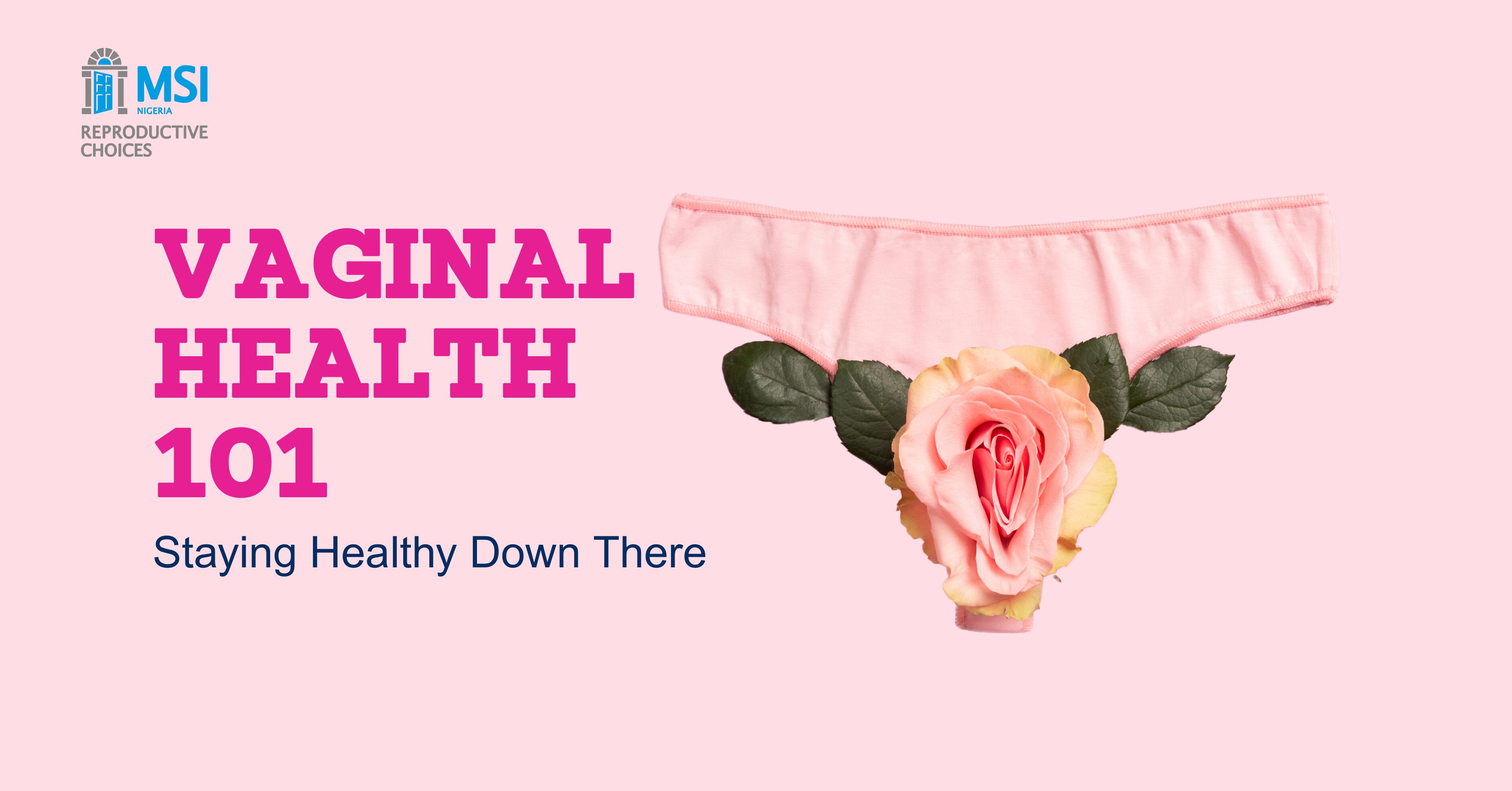



Vaginal discharge is a normal and essential part of how the vagina stays clean, lubricated, and protected from infections. Most women produce discharge daily, and it can naturally change throughout the menstrual cycle, during ovulation, pregnancy, or even due to stress and hormonal shifts.
While many changes are completely harmless, certain colours, smells, or textures can sometimes signal that the body needs attention. Understanding these differences can help you know what is normal and when it may be time to seek medical advice.
Clear or Watery Discharge: A Healthy and Normal Sign
Clear or watery discharge is one of the most common types of discharge and is usually a sign of a healthy vaginal environment. It helps flush out bacteria and maintain the natural balance of the vagina.
You may notice this type of discharge:
- During ovulation
- After exercise
- During sexual arousal
If there is no strong odour, itching, or irritation, clear discharge is typically nothing to worry about.
White or Milky Discharge: Hormonal Changes at Work
White or milky discharge is also considered normal, especially before or after your period. This type of discharge is often influenced by hormonal fluctuations throughout the menstrual cycle.
However, if the discharge becomes very thick, clumpy, and is accompanied by itching or irritation, it may indicate a yeast infection and should be checked by a healthcare provider.
Stretchy, Egg-White Discharge: Ovulation Phase
Discharge that is stretchy, slippery, and like egg whites usually occurs during ovulation. This is a natural response to hormonal changes and is a sign that the reproductive system is functioning as expected.
It plays an important role in fertility by creating a favourable environment for sperm movement.
Yellow Discharge: Sometimes Normal, sometimes a Warning
Light yellow discharge can be normal in some cases, especially if there is no strong smell or discomfort.
However, bright yellow discharge, particularly when accompanied by a strong odour, itching, or pain, may be a sign of an infection or a sexually transmitted infection (STI). In such cases, medical evaluation is recommended.
Green Discharge: A Possible Sign of Infection
Green discharge is not considered normal and is often associated with infections that require prompt medical attention.
If it appears alongside symptoms such as:
- A strong or unpleasant smell
- Irritation or itching
- Pain during urination or sex
It is important to seek professional care rather than self-medicating or ignoring it.
Grey Discharge with a Strong Odour: Possible Bacterial Vaginosis
Grey discharge, especially when it has a fishy smell, may indicate bacterial vaginosis (BV), a common condition caused by an imbalance of vaginal bacteria.
This condition is treatable, but it requires proper diagnosis and care from a qualified healthcare provider.
Brown or Bloody Discharge: Often Linked to Your Cycle
Brown discharge is usually old blood leaving the body and is commonly seen before or after menstruation. It may also occur as light spotting between cycles.
While it is often harmless, persistent brown or bloody discharge outside of your period should be medically assessed to rule out underlying issues.
When Should You Be Concerned?
Although discharge is normal, you should consider seeing a healthcare provider if you notice:
- A strong or unusual smell
- Sudden changes in colour (green, grey, or bright yellow)
- Itching, burning, or irritation
- Pain during urination or intercourse
Early diagnosis and treatment can prevent complications and support better reproductive health.
If you notice any unusual changes in your discharge or have concerns about your vaginal health, it’s important to seek professional care. Call us for FREE on 22252 for confidential counselling, or Visit any Marie Stopes Medical Centre near you to speak with a non-judgmental and supportive Health Provider who will assess your symptoms, establish the cause, and recommend the right treatment plan for you.