

Cervical cancer is highly preventable and treatable when detected early through Pap smear tests, yet many women still lose their lives to this disease due to lack of awareness and access to screening. By educating yourself and others, you can help reduce these numbers and empower women to take control of their health.
What Is Cervical Cancer?
Cervical cancer is a type of cancer that starts in the cells of the cervix – the lower, narrow part of the uterus that connects to the vagina. The cervix plays a crucial role in reproductive health, acting as a gateway between the uterus and the outside world.
Most cases of cervical cancer are linked to persistent infection with the human papillomavirus (HPV), a common virus transmitted through sexual contact. When detected early, cervical cancer is highly treatable, making regular screenings essential.
What Causes Cervical Cancer?
Cervical cancer is primarily caused by long-term infection with high-risk types of HPV. Other factors can increase your risk, including:
- Smoking: Tobacco and cigarettes weaken your immune system, making it harder to fight off HPV.
- Weakened immune system: Conditions like HIV/AIDS or medications that suppress immunity can increase your risk.
- Multiple full-term pregnancies: Hormonal changes during pregnancy may make the cervix more vulnerable.
- Early sexual activity or multiple sexual partners: This increases exposure to HPV.
- Screening history: People who haven’t had regular Pap smear tests are more likely to get cervical cancer (because Pap tests can detect precancerous cells).
Not everyone exposed to HPV develops cervical cancer. Most HPV infections clear on their own, but persistent infections can lead to abnormal cell changes.
How Can Cervical Cancer Be Prevented?
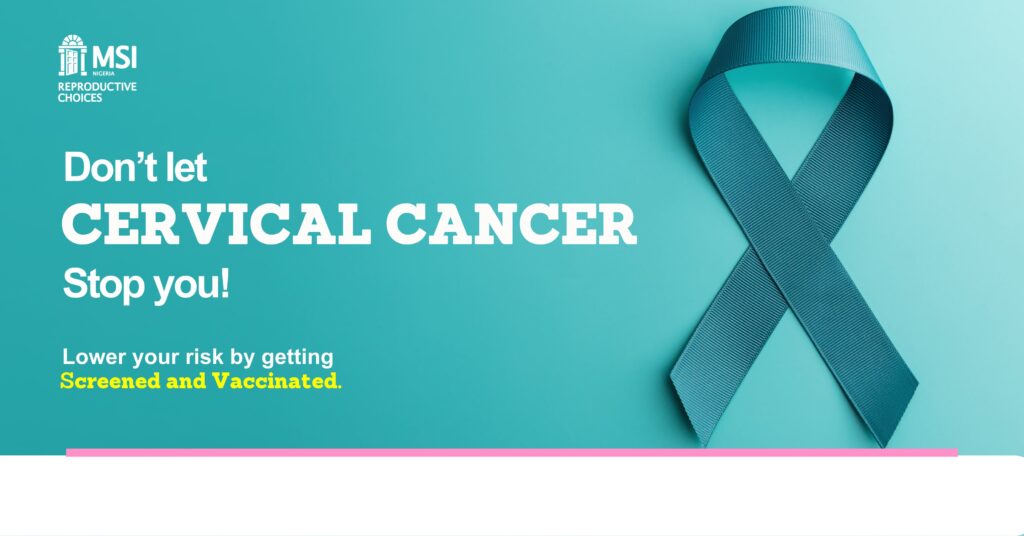
The good news is that cervical cancer is one of the most preventable cancers. Here’s how you can reduce your risk:
- Get Regular Screenings
- Pap smears and HPV tests can detect abnormal cells or the virus before cancer develops.
- Women should start screening at age 21 and follow their doctor’s advice on frequency.
2. Get Vaccinated Against HPV
- The HPV vaccine protects against the types of HPV commonly linked to cervical cancer.
- It’s recommended for boys and girls between ages 9 and 26, but adults up to 45 can also benefit.
3. Practice Safe Sex
- Use condoms or dental dams to lower your risk of contracting HPV and other sexually transmitted infections (STIs).
4. Quit Smoking
- If you smoke, seek support to quit. Your cervix will thank you.
5. Maintain a Healthy Immune System
- Eat a balanced diet, exercise regularly, and manage stress to keep your immune system strong.
6. Maintain a Healthy Pregnancy and Delivery Plan
- Plan to only get pregnant and deliver babies when you need to. This helps to prevent unnecessary multiple unwanted hormonal changes that come with pregnancy and increase cervical cancer risk.
Symptoms of Cervical Cancer
In its early stages, cervical cancer often shows no symptoms, which is why regular screening is vital. However, as the disease progresses, you may notice:
- Unusual vaginal bleeding, such as bleeding after intercourse, between periods, or after menopause.
- Pain during sex or discomfort in the pelvic area.
- Watery or bloody vaginal discharge with a foul odour.
- Frequent and painful urination.
If you are experiencing any of these symptoms, it’s important to visit a Marie Stopes Medical Centre near you for screening and treatment if needed or call us for FREE on 22252 or 08000022252 to speak with us confidentially.
Remember, early detection saves lives.