

Author Information
Written by: MSI Nigeria Health Content Team
9 minutes read | Published July 13, 2026
Medically Reviewed by: Dr David Adelerin, a licensed reproductive health practitioner who specializes in sexual and reproductive health clinical care at the Marie Stopes Medical Centre on July 11, 2026.
Quick Answer
If your period is late, it’s natural to feel worried or confused. For many sexually active people, the first question that comes to mind is: “Am I pregnant?” While pregnancy is a common reason for a missed period, it’s not the only one. Your menstrual cycle is influenced by hormones, lifestyle, and overall health, so even small changes can affect when your period comes.
The good news? In many cases, a late period is not something serious. But understanding the possible causes can help you know when to relax and when to act. A period that is a few days late is often nothing to worry about. However, if your period is more than one to two weeks late, you experience severe pain, unusually heavy bleeding, or repeated missed periods: it’s important to speak with a healthcare professional.
Why Is My Period Late?
Missing your period can be worrying, especially if your menstrual cycle is usually regular. For many women, the first thought is often, “Am I pregnant?”
While pregnancy is one of the most common reasons for a missed period, it is only one of many possible causes. Your menstrual cycle is influenced by a delicate balance of hormones, your overall health, lifestyle, medications, and even emotional wellbeing. A disruption in any of these factors can delay ovulation, resulting in a late or missed period.
The reassuring news is that many delayed periods are temporary and not caused by serious health problems. Understanding what might be affecting your cycle can help you know when to monitor your symptoms and when it’s time to seek medical advice.
What Is Considered a “Late” Period?
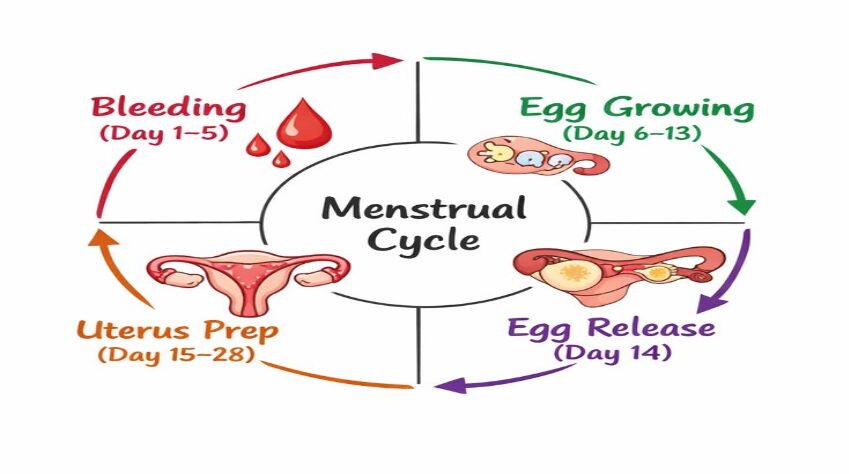
A normal menstrual cycle lasts between 21 and 35 days, although the exact length varies from person to person.
Generally, your period is considered late if:
- It has not started 5–7 days after you expected it.
- Your cycle is significantly longer than your normal pattern.
- You have missed an entire menstrual cycle.
If your cycle naturally varies from month to month, a slight delay may simply be normal for you.
Can You Be Pregnant If Your Period Is Late?
Yes.
Pregnancy is one of the most common reasons for a missed period. If you have had unprotected sex, missed contraceptive pills, experienced condom failure, or think your contraception may not have worked effectively, you should take a pregnancy test.
Early pregnancy symptoms may include:
- Missed period
- Nausea or morning sickness
- Tender or swollen breasts
- Fatigue
- Frequent urination
- Mild cramping
- Light spotting (implantation bleeding)
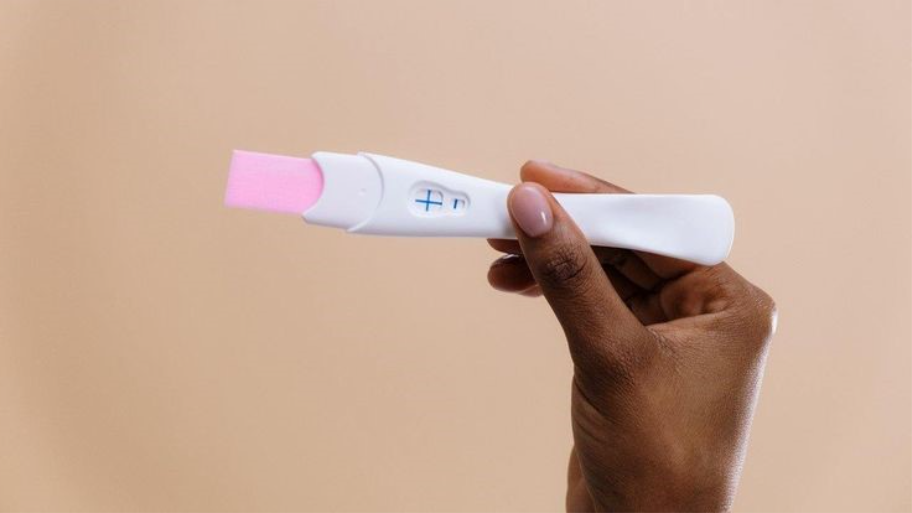
Most home pregnancy tests are highly accurate when taken after your missed period. If the result is negative but your period still does not arrive after a few days, repeat the test or speak with a healthcare provider.
Other 8 Common Reasons Your Period May Be Late
1. Stress and Emotional Changes
Stress can interfere with the hormones that regulate your menstrual cycle.
When you’re under pressure, whether from work, school, relationships, or major life changes, your body may delay ovulation. And when ovulation is delayed, your period is delayed too.
2. Hormonal Imbalances
Your cycle depends on a delicate balance of hormones. When that balance is disrupted, your period can become irregular or stop altogether.
One common condition linked to irregular periods is Polyendocrine Metabolic Ovarian Syndrome (PMOS) formerly called Polycystic Ovary Syndrome.
This condition can cause:
- Irregular or missed periods
- Acne
- Weight changes
- Excess facial or body hair
3. Changes in Weight or Exercise
Sudden weight loss, weight gain, or intense physical activity can affect your hormones.
Low body fat or excessive exercise may stop ovulation, leading to missed periods. On the other hand, rapid weight gain can also disrupt hormonal balance.
4. Birth Control and Medications
Hormonal contraceptives such as pills, injections, or implants can change your cycle.
Some may make your period lighter, irregular, or even stop completely. This can be normal depending on the method you’re using.
5. Illness or Medical Conditions
Certain health conditions, such as thyroid disorders, diabetes, or reproductive health issues, can affect your menstrual cycle.
Even a recent illness or infection can temporarily delay your period.
6. Perimenopause (for older women)
If you’re approaching your 40s or beyond, hormonal changes leading up to menopause can cause irregular or missed periods.
7. Breastfeeding
If you’ve recently had a baby and are breastfeeding, your body produces higher levels of prolactin (a hormone that stimulates milk production).
Prolactin also suppresses ovulation, meaning your period may not return for several months after childbirth. The timing varies from one woman to another.
8. Lifestyle Changes and Travel
Major lifestyle changes can temporarily disrupt your body’s internal clock and hormone production.
Examples include:
- Long-distance travel
- Jet lag
- Night shift work
- Poor sleep
- Major dietary changes
- Significant emotional events
Once your body adapts, your menstrual cycle usually returns to normal.
What Should You Do If Your Period Is Late?
If your period is late, avoid jumping to conclusions. Instead, follow these simple steps.
1. Take a Pregnancy Test
If pregnancy is possible, take a home pregnancy test after your missed period.
For the most accurate result:
- Use your first urine of the morning.
- Follow the instructions carefully.
- Repeat the test after 48–72 hours if the first result is negative, but your period has still not started.
2. Track Your Menstrual Cycle
Keeping track of your cycle can help identify patterns and provide valuable information for your healthcare provider.
Record:
- The first day of each period
- Flow intensity
- Pain or cramps
- Mood changes
- Medications
- Weight changes
- Stressful life events
Many smartphone apps make cycle tracking simple and convenient.
3. Manage Stress and Lifestyle
Ask yourself:
- Have I been under unusual stress?
- Have I recently started exercising more?
- Have I gained or lost weight?
- Have I started a new medication?
- Have I traveled recently?
Answering these questions may help explain the delay.
4. Give It a Few Days
If your cycle is normally irregular or your period is only a few days late, it may simply be a natural variation.
However, continue monitoring your symptoms.
5. Seek Medical Advice
If you’re unsure or concerned, getting expert advice is the best step.
Early guidance can prevent complications and give you peace of mind.
When Should You Be Concerned and See a Doctor?
Although most delayed periods are not serious and not always a cause for alarm, you should seek medical advice if:
- Your period is more than one to two weeks late
- You’ve missed more than one menstrual cycle
- Your pregnancy test is positive
- Your pregnancy test remains negative but your period does not return
- You experience severe pelvic pain
- You have unusually heavy bleeding
- You develop fever, dizziness, or fainting
- Your periods suddenly become irregular after previously being regular
Prompt assessment can help identify conditions such as pregnancy complications, hormonal disorders, thyroid disease, or reproductive health conditions that may require treatment.
Can a Late Period Be Prevented?
Not all causes of a late period can be prevented, but you can support a healthy cycle by:
- Maintaining a balanced diet
- Managing stress
- Keeping a healthy weight
- Tracking your menstrual cycle
Your menstrual cycle is an important sign of your overall health. If something feels off, it’s worth paying attention.
Key Takeaways
- A late period is common and is not always caused by pregnancy.
- Stress, hormonal changes, illness, medications, excessive exercise, weight changes, and medical conditions can all delay your period.
- Taking a pregnancy test is the first step if pregnancy is possible.
- Most delayed periods resolve naturally, but persistent or concerning symptoms should be evaluated by a healthcare provider.
- Early medical advice can provide reassurance and ensure appropriate treatment if needed.
Worried About a Late Period?
If you’re concerned about a missed period, possible pregnancy, irregular menstrual cycles, or your reproductive health, you don’t have to figure it out alone. Call us for FREE on 22252 for confidential counselling, or Visit any Marie Stopes Medical Centre near you.
Our experienced healthcare professionals provide confidential, compassionate, and non-judgmental reproductive health services tailored to your needs.
We can help with:
- Pregnancy testing and counselling
- Family planning and contraception
- Management of irregular periods
- Sexual and reproductive health advice
- Referral for further investigations when needed
Medical Sources
This article is based on guidance from internationally recognized health organizations, including: