

By Maryam Babangida
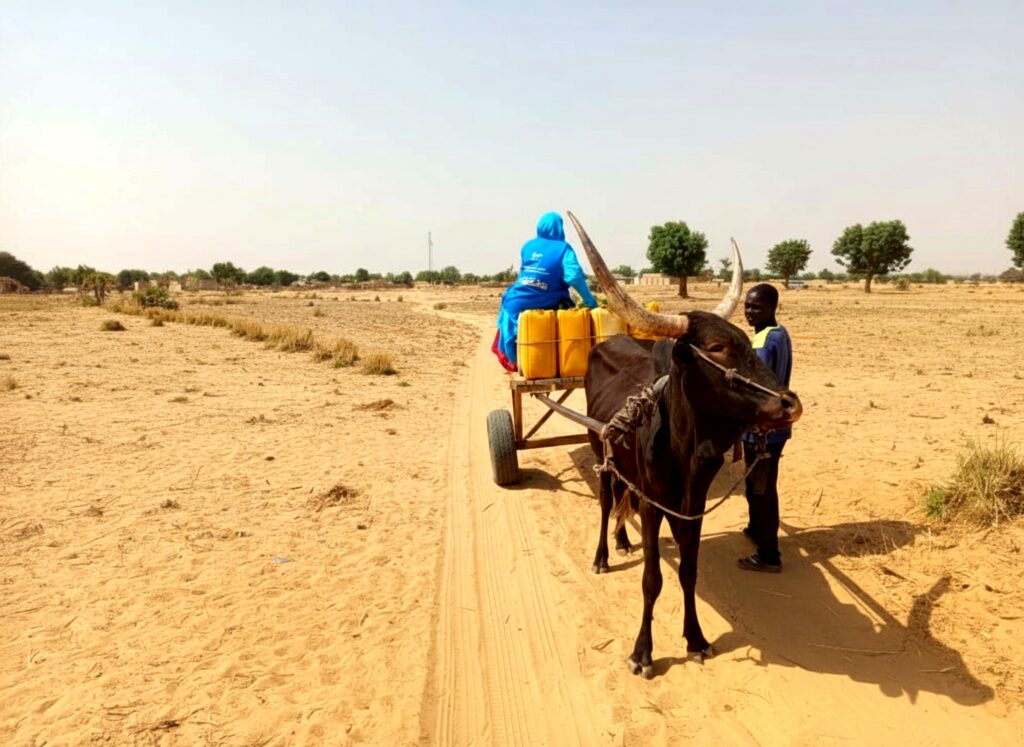
Kanda Fulani is a remote settlement in Katsina State, Nigeria, where accessing the village means traveling over difficult, unpaved terrain, and in some areas, only a cow-drawn cart can make the journey. According to research, both ethnicity and religion play a significant role in shaping attitudes toward contraception use among women in Nigeria. The nearest health facility in this community is about 8 kilometers away, making access to healthcare difficult for residents.
In Kanda Fulani, the tradition of feminine seclusion (Kulle) remains strong, restricting women’s movement and access to healthcare and social spaces. These norms have shaped attitudes, reducing motivation to seek care even when needed.
Getting to the Gatekeepers First
MSI Nigeria’s approach is based on a simple reality: access is not solely physical. It is social and negotiated through trust, influence, and acceptance.
The Outreach Channel targets women in areas like Kanda Fulani, where facilities are out of reach. Before delivering services, the Demand Generation team conducts pre-mobilization visits to prepare the community.
The first step is to engage with those who influence decisions. Working with community mobilizers, the team identified key gatekeepers, including the District Head, 23 Village Heads, and 19 Imams (Islamic religious leaders). These discussions were straightforward and rooted in real-life issues such as maternal health risks, unplanned pregnancies, and the importance of child spacing to men, women, and children.
The District Head stated, “Our women face many challenges… if this information saves lives, then it is our duty to help them receive it.” His endorsement granted the team entry.
Discussions addressed myths and long-held beliefs about contraception. An Imam remarked, “We now understand that child spacing protects both mother and child, and for us, that is what our teachings also encourage.” This secured leadership support.
Husbands as Allies: The Majalisa Sessions
With gatekeepers on board, the next step was to influence households. Through Majalisa (men’s platform) sessions. A familiar forum where men gather to discuss community issues, the team engaged 34 husbands.
Discussions focused on relatable concerns: risks of closely spaced pregnancies, wives’ health, pregnancy complications, and family well-being.
For many, this was the first time information was explained in a way directly connected to their decisions and daily lives.
“I didn’t know waiting between pregnancies could reduce danger for my wife,” said one of the young fathers.
As a result, men became informed allies.
Bringing Care to the Last Mile
The District Head’s words, “Our doors are open,” marked a turning point. It was both a permission to enter and a visible change in how the community viewed sexual and reproductive health and modern contraception information and services that followed.
According to the SBCC officer, Maryam, “At the last mile, success isn’t just about how far we travelled to get there, but also about the trust we’ve gained along the way. When leaders are involved, husbands stay informed, and social norms start to change”.
MSI Nigeria’s approach centers on involving communities and using existing social structures to foster trust and acceptance. Dialogue and quality information dispel misconceptions and gradually shift social norms toward acceptance of care.